
Project Overview
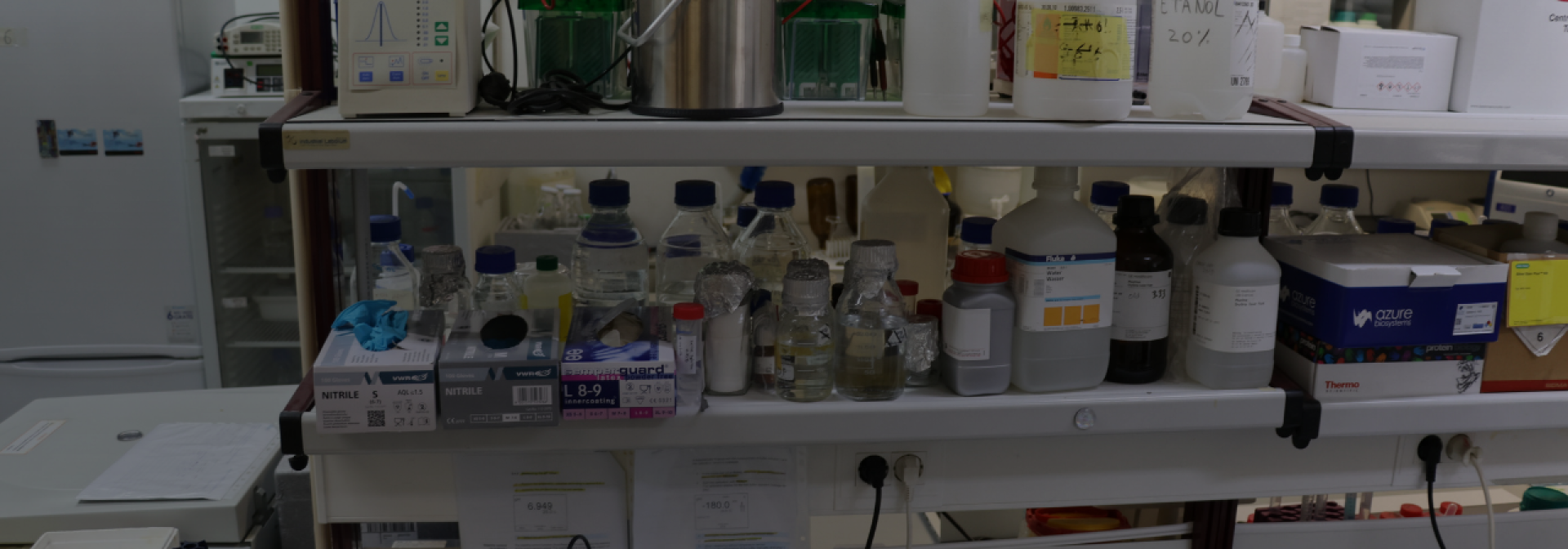
Overview
SAL+ Project
The SAL+ project forms part of efforts to promote and innovate traditional salt farming systems in the Algarve, with a focus on their dual productive and ecological dimensions. These hypersaline systems represent highly specialised ecosystems, whose dynamics depend on specific environmental conditions and historically established human practices.
Background
The SAL+ project forms part of an initiative to promote traditional salt farming systems, with a particular focus on the salt pans of Castro Marim, which are hypersaline ecosystems of great ecological, economic and scientific importance.
These systems are characterised by a strong dependence on specific environmental conditions and by seasonal production patterns. In addition to their productive function, the salt pans play a fundamental role in biodiversity conservation, the functioning of coastal ecosystems and the development of new biotechnological applications.
Against this backdrop, the project seeks to integrate scientific knowledge and traditional practices, promoting a sustainable and innovative approach to the management and enhancement of salt farming.
Project Objectives
- Characterise the physico-chemical composition of salt flats
- Monitor the environmental dynamics of these systems
- Assess the biodiversity of hypersaline microorganisms
- Develop innovative biotechnological solutions
- Ensure the quality and safety of sea salt
Methodology and Approach
The SAL+ methodological approach is based on a multidisciplinary framework that integrates environmental monitoring, laboratory analysis and applied biotechnology development.
The project combines detailed mapping of the salt pans with the collection of physico-chemical and biological parameters, enabling an understanding of the spatial and temporal variability of these systems.
In parallel, biotechnological analyses are carried out to explore the potential of the microorganisms and natural resources present in the salt pans, with a view to creating new products and applications.
Scientific and Applied Relevance
SAL+ contributes to advancing scientific knowledge of hypersaline ecosystems, filling gaps in the characterisation and monitoring of these systems.
From an applied perspective, the project enables the transfer of scientific knowledge to production practices, supporting producers in improving salt quality and diversifying their activities.
This link between science and practical application reinforces the role of salt pans as innovative and sustainable production systems.
Sustainability and the Blue Economy
The project is in line with the principles of the Blue Economy, promoting the sustainable use of marine and coastal resources by making use of by-products, such as brine rich in mineral salts.
By integrating science and innovation, it contributes to promoting the ecological, economic and cultural resilience of salt pans, reinforcing their role in the conservation of coastal ecosystems, local economic development and the establishment of more sustainable management models.
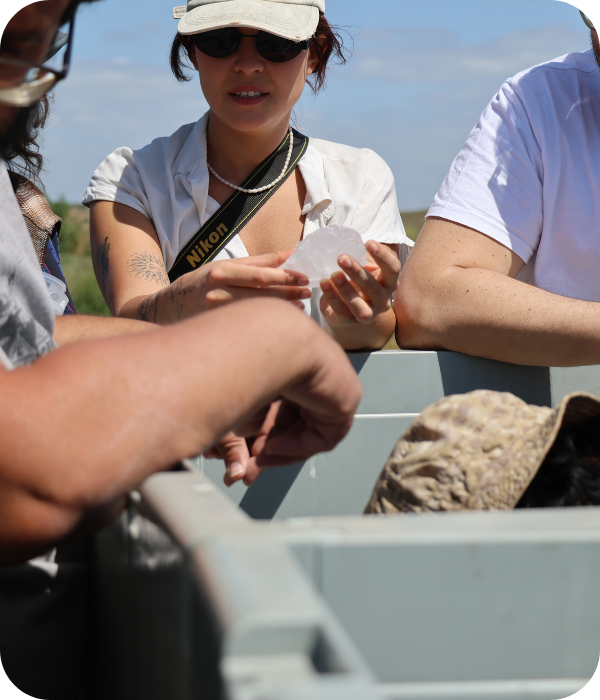
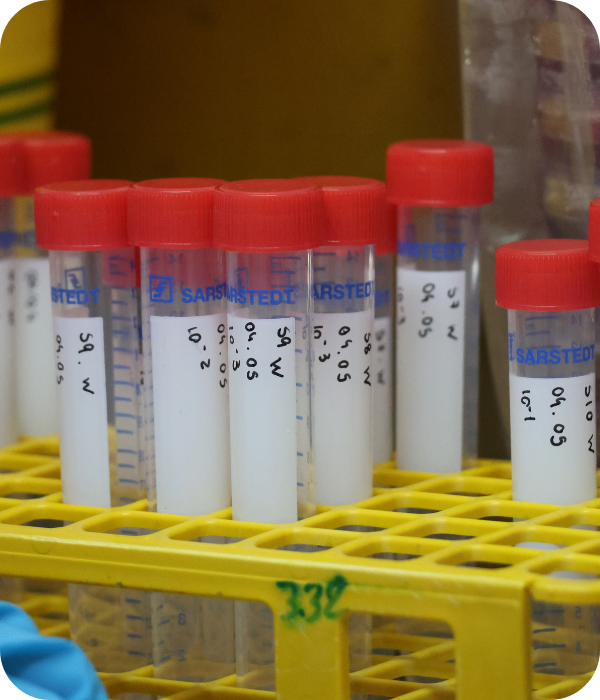
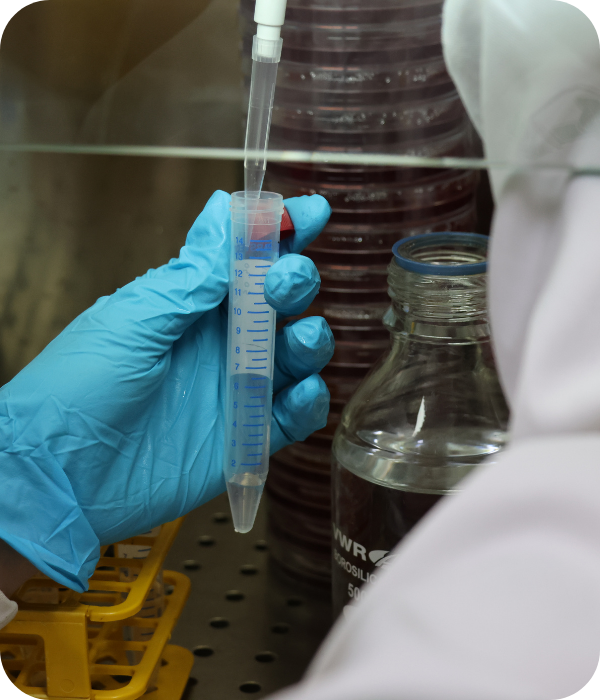
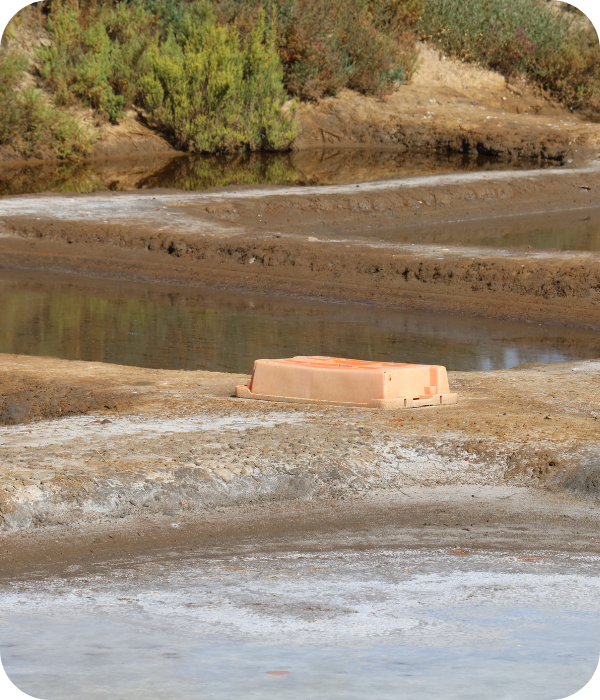
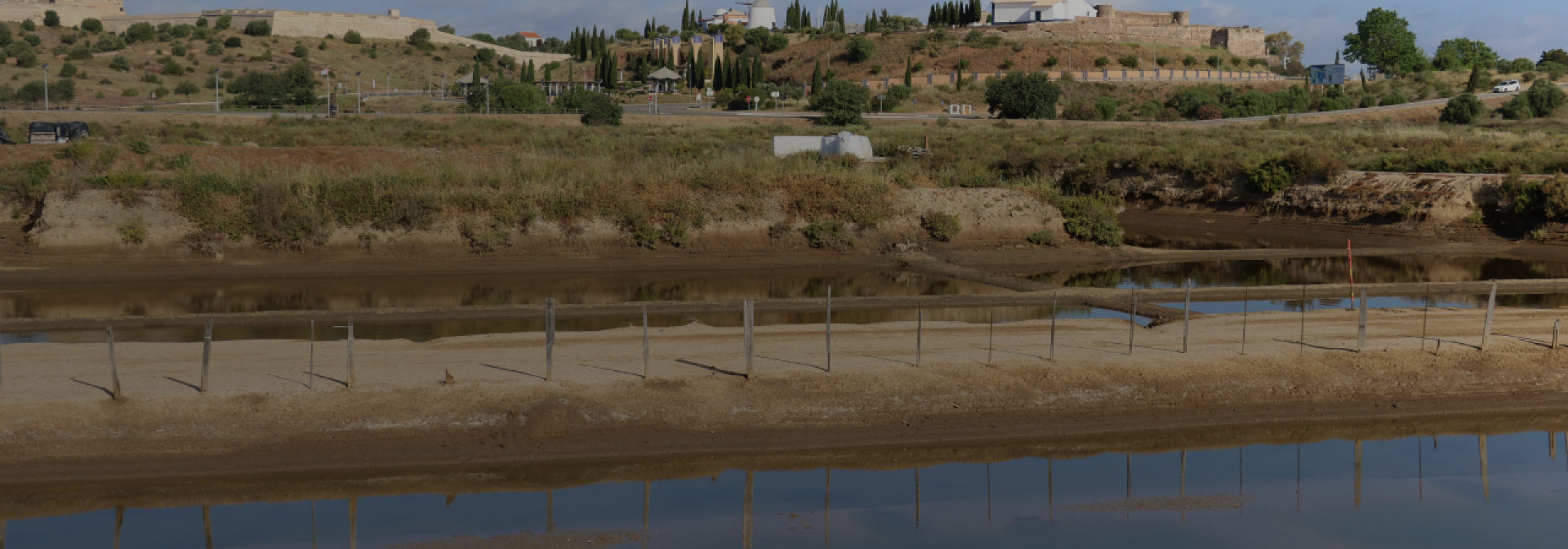
Castro Marim salt pans
How Sal+ helps to enhance the value of salt pans
Practical application of the project
Monitoring of contaminants and protection of sensitive coastal ecosystems.
Bioremediation uses microorganisms, including archaea, to remove heavy metals.
 Environmental
Conservation
Bioprospecting for microorganisms in highly saline environments, with industrial and biomedical applications.
Establishment of a biobank of microorganisms with high biotechnological potential.
 Innovation
in biotechnology
Support for certification processes such as DOP and ETG.
 Heritage and
Identity
Our team
Scientific Coordination
Teacher Deborah Mary Power
Scientific supervision
Researchers
Badr-Edine Sadoq
PhD student
Students

Esteban Carrera
Master's student
Teacher João Carlos Reis Cardoso
Researcher
Investigadores

Isabela Rocha
Research fellow
Estudantes

Tatiana Alberto
Master's student
Teacher Diogo
Proença
Researcher
